
Congratulations to Helen on the publication of her poem ‘The Drive out West’ in the latest edition of Catchment Poetry of Place, an online literary journal, published June 21st [click here to read].
In today’s blog post, Helen shares her experiences of writing across different poetry formats to best express her particular responses, thoughts and observations.
Helen writes:
Last year in the lead up to the Christmas juggernaut I was delighted to have two very different poems accepted for publication in two online journals, featuring vastly different genres, though both referencing a sense of place.
We had just moved from a geographical location that I had wanted to write about at length. It felt right to express, in long form free western verse, what that magical place had meant to me for over 30 years. It gave me wide scope for my thoughts to wander without a tight structure to rein in those emotional responses. You can read my poem ‘Tink Tink’ in the December edition of Catchment Poetry of Place [click here].
At the same time, I was also mourning the death of my mother following a protracted period of exhausting health challenges for her. I did not want to write at length about any of this. It was all too painful.
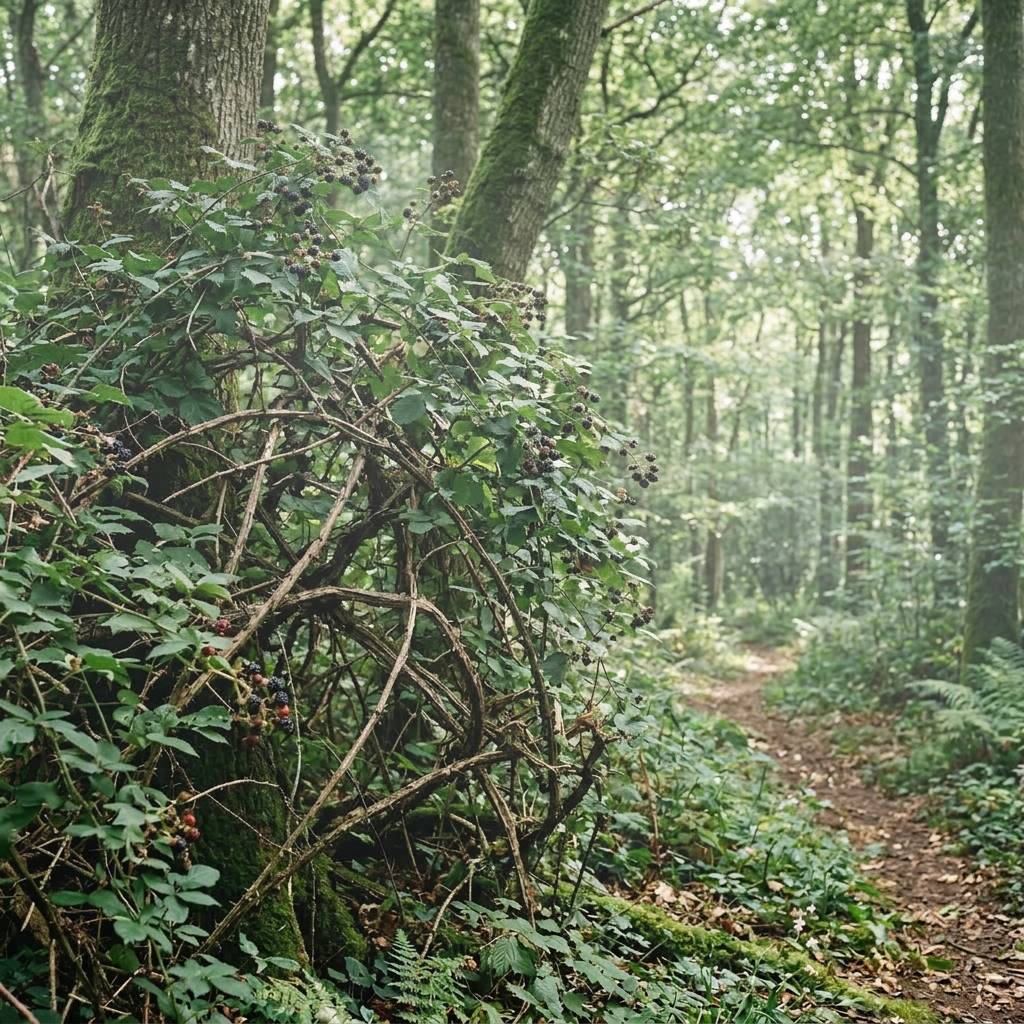
On one occasion, I was on a ginko walking through nature with fellow writers observing and writing whatever thoughts entered my head. In a peaceful part of a forest I stumbled on a gnarly old blackberry bush. This somehow triggered a second image I was cradling in my mind and heart, seemingly quite separately. It was clear to me that the short form Japanese haiku poetry was exactly the right framework in which I could observe the imagery within that one moment.
You can read my haiku published in Echidna Tracks winter online journal [click here].
Working across different genres of poetry is something that interests me greatly, giving multiple freedoms for expressing exactly what it is that I want to convey. Form is crucial for me.
Haibun and Pantoum are two other styles I have experimented with in other poems, not to mention the tricky Villanelle. I currently read and study the complex Japanese Tanka poetry and have yet to master, or even understand, the subtleties of this ancient writing craft.
However, that is for another time and another post, though I feel there is a long road ahead before I gain a grasp on these enigmatic poetry forms.
Discover more from Elwood Writers
Subscribe to get the latest posts sent to your email.


Thanks for posting EW.
LikeLiked by 1 person
It’s a pleasure, Helen!
LikeLike